Commercial cleaning and facility maintenance for Massachusetts, Connecticut, and Rhode IslandPhone answered 24/7 · modular@cleanwith.us
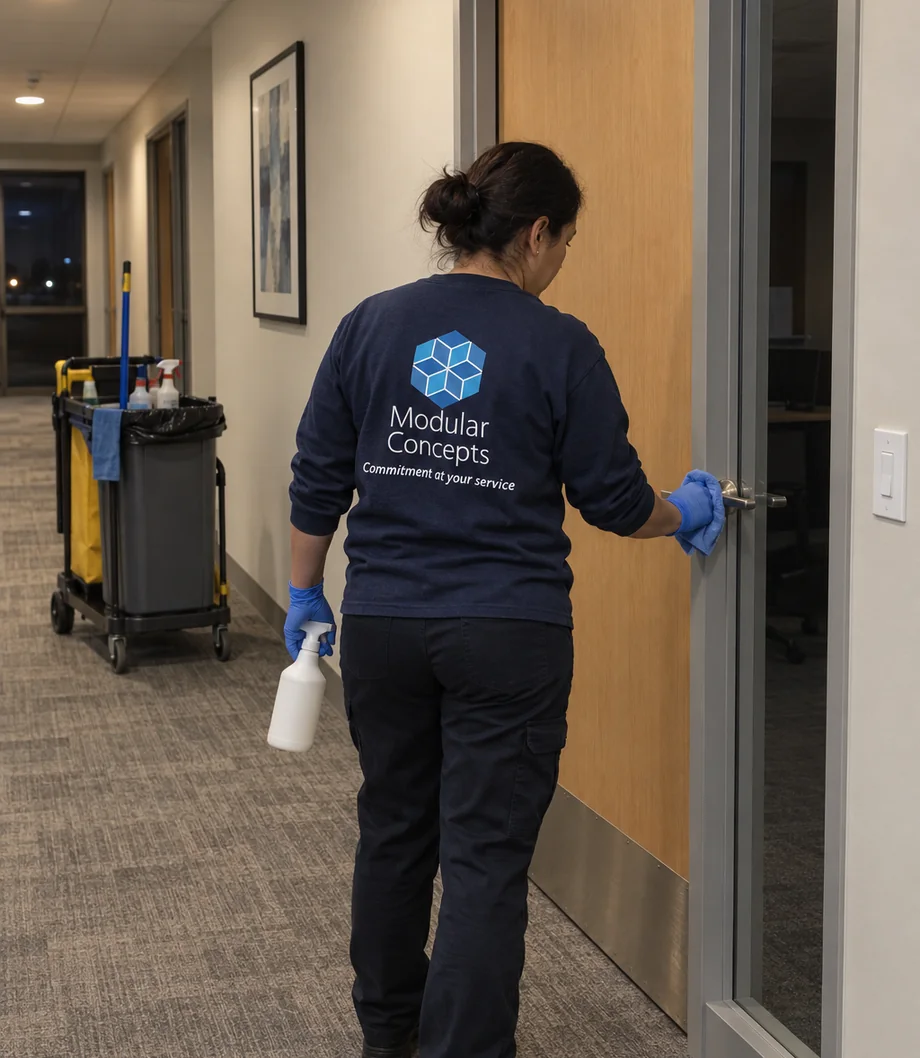
Commercial disinfection services treat the surfaces many hands touch, once those surfaces are clean. The list starts with door handles, push plates, rails, restroom fixtures, and shared desks. Modular Concepts provides commercial disinfection across Massachusetts, Connecticut, and Rhode Island with EPA-registered disinfectants. Each facility gets a written touchpoint list with a frequency for every item. Service is month to month.
 ISSA MemberBSC Council
 BSCAI Verified MemberBuilding Service Contractors Assn.
 Marlborough Regional Chamberof Commerce, member
 ChamberofCommerce.comVerified Member
Commercial disinfection services include the high-touch surfaces in each area you choose, done on a set schedule. That means door handles, push plates, light switches, rails, elevator buttons, restroom fixtures, and break room handles. Shared desks, phones, and waiting room chairs can be added. Every item is cleaned first, then disinfected with an EPA-registered disinfectant.
The order matters. The CDC advises cleaning a surface before sanitizing or disinfecting it, and reading the product label first. The label sets the contact time, which is how long the surface stays wet for the product to work. Sanitizing vs disinfecting is a difference of degree. Sanitizing reduces the germs left after cleaning, and disinfecting goes a step further.
Disinfection can run as its own program or as one line on an existing janitorial scope. The list is written per facility, so a dental suite and a martial arts studio get different touchpoints. A single visit after a meeting, rental, or open house is quoted on its own.
| Area | Every visit | Added on request or as a project |
|---|---|---|
| Restrooms | Faucets, flush handles, stall locks, dispensers, and door pulls | Partition walls, and tile and grout scrubbing |
| Offices and front desks | Door handles, light switches, counters, and shared desks | Phones and keyboards, when you list them |
| Break rooms and kitchens | Faucet, refrigerator, and microwave handles, tables, and chair backs | Vending machine and water cooler fronts |
| Entries, halls, and stairs | Push plates, rails, and elevator call buttons | Post-event sanitization after a crowd |
In an occupied building, Modular recommends disinfecting high-touch surfaces on every cleaning visit, which is often five nights a week. The CDC's guidance is broader: clean high-touch surfaces regularly, and disinfect areas where people have been ill. Traffic sets the number more than square footage does. A lobby that every visitor walks through needs more passes than a back office used by two people.
Shared hardware gets the most passes. Restroom fixtures, entry doors, and break room handles run on every visit. Hot desks and shared phones need a pass each night they are used, while assigned desks may only need one a week. Where daytime traffic is heavy, a day porter can add a midday pass.
Some visits follow the calendar instead of the week. Post-event sanitization comes after a conference, a weekend rental, or an open house, booked for the event date. If people in the building have been ill, an extra pass of the shared areas can be added as a one-time visit.
Hybrid offices can split the week. When most staff come in Tuesday to Thursday, the heavier passes can run on those nights and lighter ones on the rest. Modular sets the frequency touchpoint by touchpoint, so the monthly price follows how the building is really used.
| Touchpoint | Typical frequencyOne bar: about once a year. Five: every visit. | What changes it |
|---|---|---|
| Restroom fixtures and dispensers | Every visit, often five nights a week | Fixture count and public use |
| Entry doors, push plates, and rails | Every visit | Visitors and deliveries |
| Break room handles and buttons | Every visit | How many people eat on site |
| Midday touchpoint pass | Daily, during business hours, by a day porter | Lunch hours and daytime visitors |
| Hot desks and shared phones | Each night they are used | Desk sharing and hybrid days |
| Assigned desks and quiet rooms | Once a week | How often the room is used |
| Post-event sanitization | After each event | Crowd size and catering |
Facilities choose Modular Concepts for commercial disinfection because every touchpoint is written down and service runs month to month. The average customer stays about eight years, because of the quality of the service, not a contract. Modular is a family-owned company operating since 2008, with a team of about 100 professionals.
Disinfection can be its own program or one line on an existing cleaning quote. Either way it runs month to month. Add a touchpoint, drop a night, or pause after a busy season, all in writing, with no term to unwind.
Everyone on site is background-checked and fully insured, with $2,000,000 in general liability through Northeast Insurance. The team is trained in green and disinfection protocols, and Bloodborne Pathogens training is available.
At healthcare clients, Modular supports the practice's own infection-control program on the surfaces in its scope. That covers waiting rooms, front desks, exam room touchpoints, and restrooms. Instruments and clinical supplies stay with the practice's staff.
Crews are Green Seal trained. A program can pair disinfection with green cleaning products for the cleaning step. Ask about it where staff, patients, or program participants have sensitivities.
Day, evening, and overnight crews are available. A clinic can be done after the last patient, a gym after the last class, and a school after dismissal.
Modular manages every person on site, employees and subcontractors alike, and runs periodic site inspections. Many reviews on the reviews page mention Luiz Thomaz DaCosta, the owner, stopping in to check the work.
Four services pair with commercial disinfection most often. They are a day porter for daytime passes, nightly janitorial cleaning, restroom tile and grout cleaning, and carpet cleaning. Each is priced on its own line, so the disinfection line stays the same when one is added. Each has its own service page with the details.
A night visit resets the building, but door handles and coffee buttons are back in use by mid-morning. A day porter wipes and disinfects the busiest touchpoints during business hours, checks restrooms, and handles spills. The hours follow the busiest part of your day.

A disinfectant works on a clean surface, so dust, crumbs, and smudges have to come off first. A janitorial program does that each night: trash, restrooms, floors, and wipe-downs. The disinfecting pass then runs on the same visit, with one crew and one invoice.
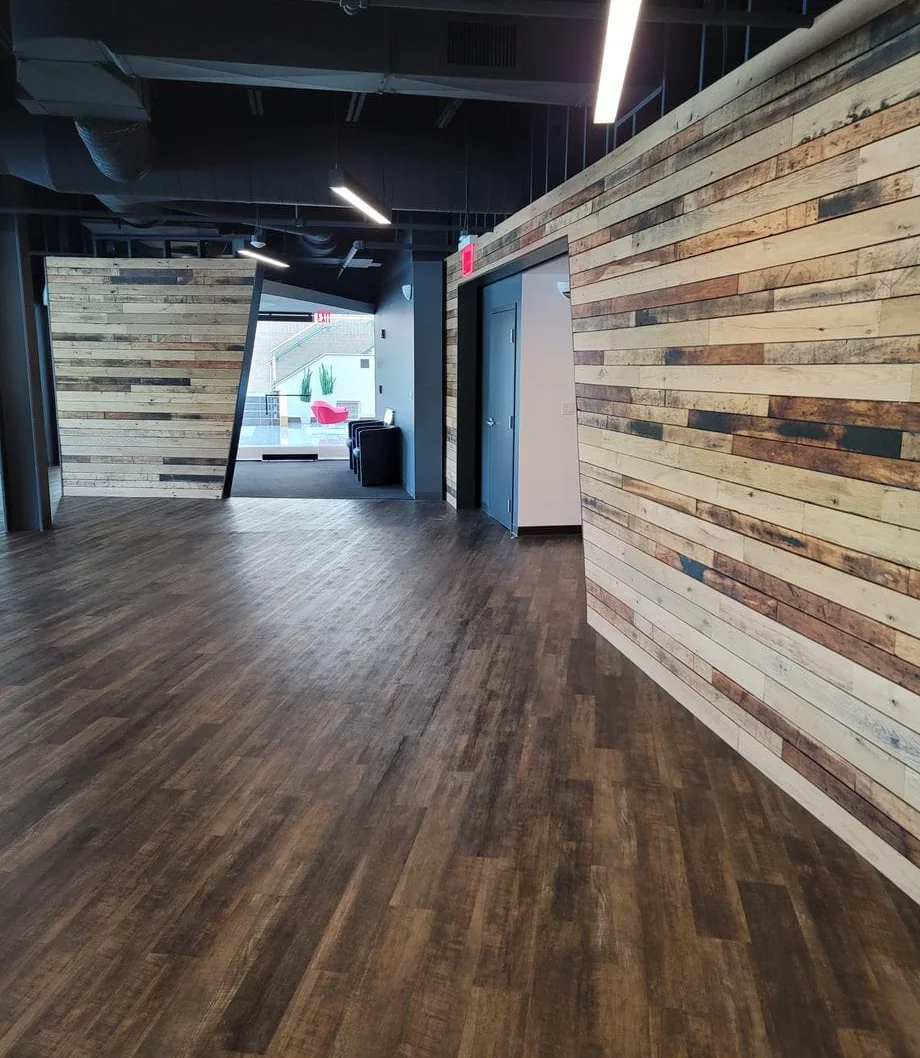
Grout lines hold soil that a mop leaves behind, and a disinfectant cannot work through grime. Tile and grout cleaning scrubs restroom tile down to the grout lines, so the nightly disinfection starts on a clean surface. It runs as a periodic project, quoted apart.

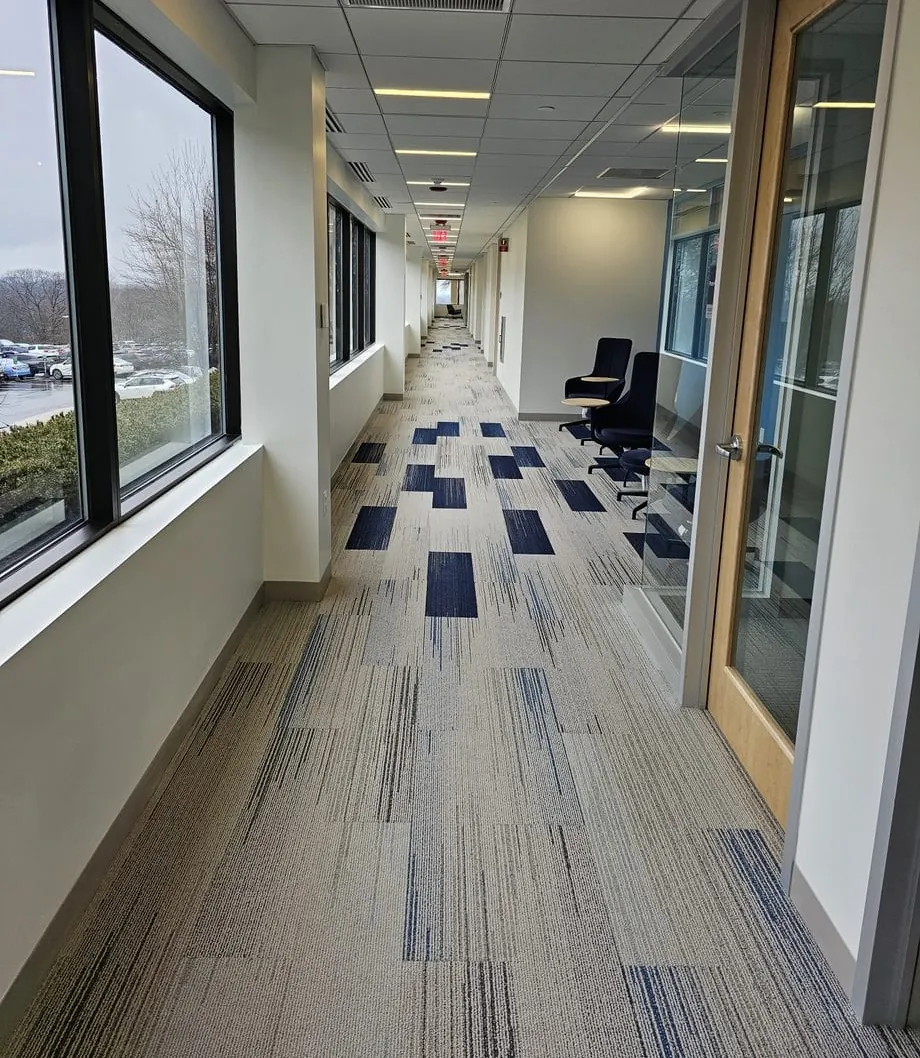
Carpet and fabric seats cannot be wiped down like a door handle. Extraction lifts the soil out of carpet in entries, waiting rooms, and corridors. Modular schedules it a few times a year, or after an event leaves the floor stained.
A disinfection program with Modular starts with a free walkthrough that maps every touchpoint in the areas you choose. The written scope then names each touchpoint, how often it is done, and the product for each surface type. The schedule follows your traffic, and the list is reviewed as the building changes.
We walk each area with you and count what people touch: doors, push plates, rails, buttons, fixtures, and shared equipment. We note surfaces that need a gentler product.
Stainless, laminate, and vinyl each get an EPA-registered disinfectant suited to them. At a healthcare client, the scope is written to support the practice's infection-control program.
Each touchpoint gets a frequency: every visit, the nights it is used, or weekly. Event dates go on the calendar for post-event visits, and porter hours follow your daytime peaks.
The written method is clean first, then disinfect, with each surface left wet for the contact time on the label. Periodic site inspections check that the list is followed.
New hires, a hybrid schedule, or an event season? Touchpoints and nights change in writing, and the price changes with them. Service stays month to month.
The cost of commercial disinfection services depends most on how often the touchpoints are disinfected, so Modular prices each facility after a walkthrough. A one-time post-event visit gets one price for its date. A recurring program is one monthly line, built from the areas in scope, the frequency of each touchpoint, and the tasks per visit.
The walkthrough counts doors, fixtures, rails, and shared equipment, area by area. That count, more than square footage, shows how much work each visit holds.
Only the areas you list are priced. A storage room nobody uses stays off, and a waiting room or a new suite can be added later on its own line.
How often each touchpoint is disinfected moves the price most. Every visit costs more than once a week, and a midday porter pass adds hours. Moving a quiet room to weekly lowers the monthly line.
Most touchpoints get a cleaning pass and a disinfecting pass. Some need more: a restroom with partitions takes longer, and fabric chairs need a different method than a wipe.
Touchpoints, frequency, and tasks become lines on one page. A post-event visit or a porter shift sits on its own line, so you can see each cost before you decide.
Steps advance on their own. Tap a hex to hold it.
When you compare quotes, ask each company for its touchpoint list and how often each item is done. A lower price that covers fewer touchpoints buys less work.
Modular Concepts provides commercial disinfection in six kinds of facilities across Massachusetts, Connecticut, and Rhode Island. Pick one to see which touchpoints the program covers there. Five of the six carry an example from a Google review quoted further down. The clinic review is about disinfection, and the other four come from cleaning customers at that kind of facility. Each type links to its industry page.
Treatment rooms, the front desk, waiting room chairs, and restrooms after the last patient leaves. At a healthcare client, the scope is written to support the practice's own infection-control program. The medication room stays with staff.
Activity tables, dining areas, door hardware, and restrooms after participants go home. Low-odor products can be chosen for people with sensitivities. The medication room and personal care supplies stay with program staff.
Desks, door handles, stair rails, and restrooms after dismissal, with cafeteria tables done once lunch service ends. The kitchen line stays with the food service staff, and the nurse's office can be added to the list.
Child restrooms, low sinks, door handles, and cubbies after the last pickup. Toys, nap mats, and bedding stay with the center's staff. Floor and carpet work can be added for the weeks the center is closed.
Daycare and preschool cleaningTraining mats, locker rooms, restrooms, and entry hardware after the last class. Benches, grips, and cardio machines can be added as their own line. Pools and saunas stay with the club.
Door hardware, elevator buttons, break room handles, shared desks, and restrooms on every visit. A day porter can repeat the busiest touchpoints at midday, while staff are in the building.
Modular does not disinfect homes, retail storefronts, or restaurant dining rooms and restrooms. For a restaurant's hood and exhaust system, see kitchen hood cleaning.
Six excerpts from Google reviews, in the reviewers' own words. Five are the sources of the examples above. They come from a therapy clinic owner, a care program, a school, a martial arts center, and an office with a day porter. Only the clinic review is about disinfection, and the other four describe Modular's cleaning. The third card comes from a workplace whose staff once did extra work to meet health inspection requirements. The reviews page has the full set. Every review is on the Modular Concepts Google profile.
“A big THANK YOU! to Modular Concepts who responded quickly to our request and did an AMAZING job! Don't hesitate to use them for your business!”
“Our organization serves individuals with intellectual and developmental disabilities, many of whom have significant sensory and health sensitivities. A clean, safe, and consistent environment is not a nicety for us; it is essential to the wellbeing of the people we support. Modular Concepts understands this and delivers every single time.”
“The staff also follow through on all the assigned cleaning tasks, which has been great for staff who had to do extra work to make up for our previous cleaners to meet health inspection requirements.”
“The service they provide is professional, friendly, and thorough. Our building is kept looking clean and smelling clean and we often get compliments on how it presents.”
“They are reliable, pay close attention to detail and go out of their way to ensure we are happy with their service. The owner stops by and checks to make sure we are happy.”
“Modular Concepts does a great job cleaning all 3 floors of our space and the day porter he provided does a wonderful job every day. We love her!”
Answers for facility managers, practice managers, and program directors comparing disinfection services. The office cleaning page covers the nightly work in an office suite.
Commercial disinfection services treat the high-touch surfaces in a business facility after they are cleaned. That means door handles, push plates, rails, restroom fixtures, break room handles, and shared equipment. Modular Concepts uses EPA-registered disinfectants and writes a touchpoint list for each facility, with a frequency for every item. Service runs on a recurring schedule or as a single post-event visit, across Massachusetts, Connecticut, and Rhode Island.
Cleaning removes dirt and some germs from a surface with soap or detergent and water. Sanitizing lowers the number of germs left after cleaning. Disinfecting goes further, with a product registered as a disinfectant and left on the surface for the contact time on its label. The CDC says to clean before you sanitize or disinfect, so a Modular disinfection scope starts with cleaning.
Commercial disinfection is priced per facility after a walkthrough. How often the touchpoints are disinfected moves the price most, followed by the number of areas and touchpoints in scope. A post-event visit is quoted as one price for its date. Each quote is written line by line, month to month, with no long-term contract. When you compare companies, ask each one for its touchpoint list and frequency.
Office disinfection services usually cover entry door handles and push plates, light switches, elevator buttons, and stair rails. Restroom fixtures, break room handles and appliance buttons, shared desks, phones, and conference tables belong on the list too. Assigned desks may need only a weekly pass. The list should match how people use the space, so Modular builds it with you on the walkthrough, area by area.
Post-event sanitization is a one-time visit after a conference, rental, open house, or any day with far more people than usual. The crew cleans and disinfects the shared touchpoints, restrooms, and break areas once the building empties. It is quoted as one price for the event date, with no obligation to start a recurring program. Pair it with carpet cleaning if the event left the floors stained.
Yes. Most disinfection runs after hours. A day porter can also disinfect the busiest touchpoints during business hours, such as entry hardware, break room handles, and restroom fixtures. Day, evening, and overnight crews are available, so a clinic can be done after the last patient and a gym after the last class. The hours are set with you on the walkthrough.
Yes. Modular supports the infection-control programs of its healthcare clients on the surfaces in its scope. Those include waiting rooms, exam room touchpoints, front desks, and restrooms. The practice's own program sets the rules for clinical areas and instruments. Modular uses EPA-registered disinfectants, and Bloodborne Pathogens training is available to its team. Share your requirements on the walkthrough.
Yes. Modular provides commercial disinfection services in Connecticut, Rhode Island, and Massachusetts from its Marlborough headquarters. In Connecticut, Hartford anchors the routes, with West Hartford, New Haven, Stamford, and Waterbury served as routes allow. In Rhode Island, crews serve Providence, Cranston, and Pawtucket. In Massachusetts, the service area runs from Newton and Waltham west through MetroWest and Worcester County.
Disinfection works best on top of a cleaning program. These services are the ones most often quoted with it.

The nightly cleaning that comes before disinfection
See the Janitorial Services page ›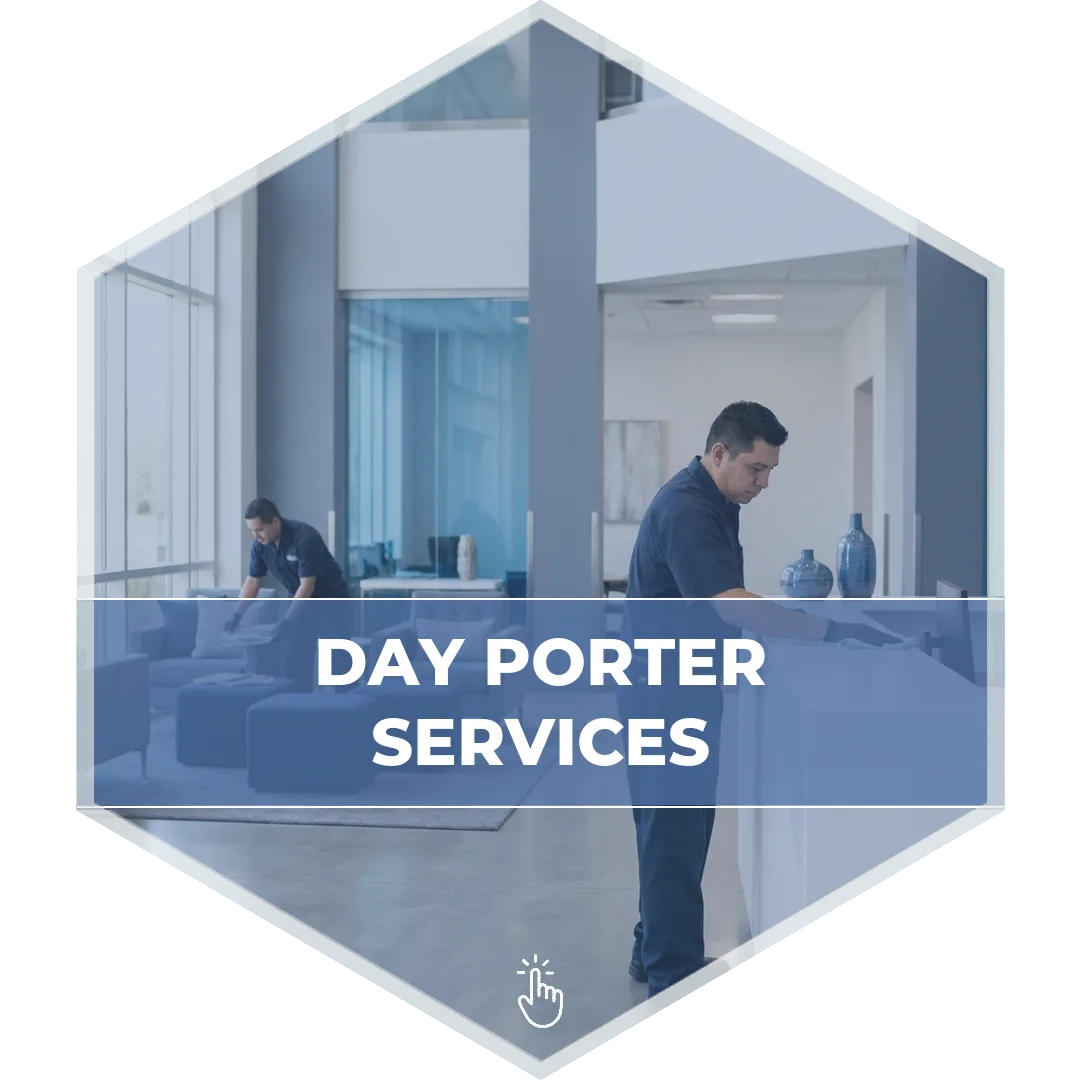
Midday touchpoint passes while you are open
See the Day Porter Services page ›
Low-odor products for people with sensitivities
See the Green Cleaning page ›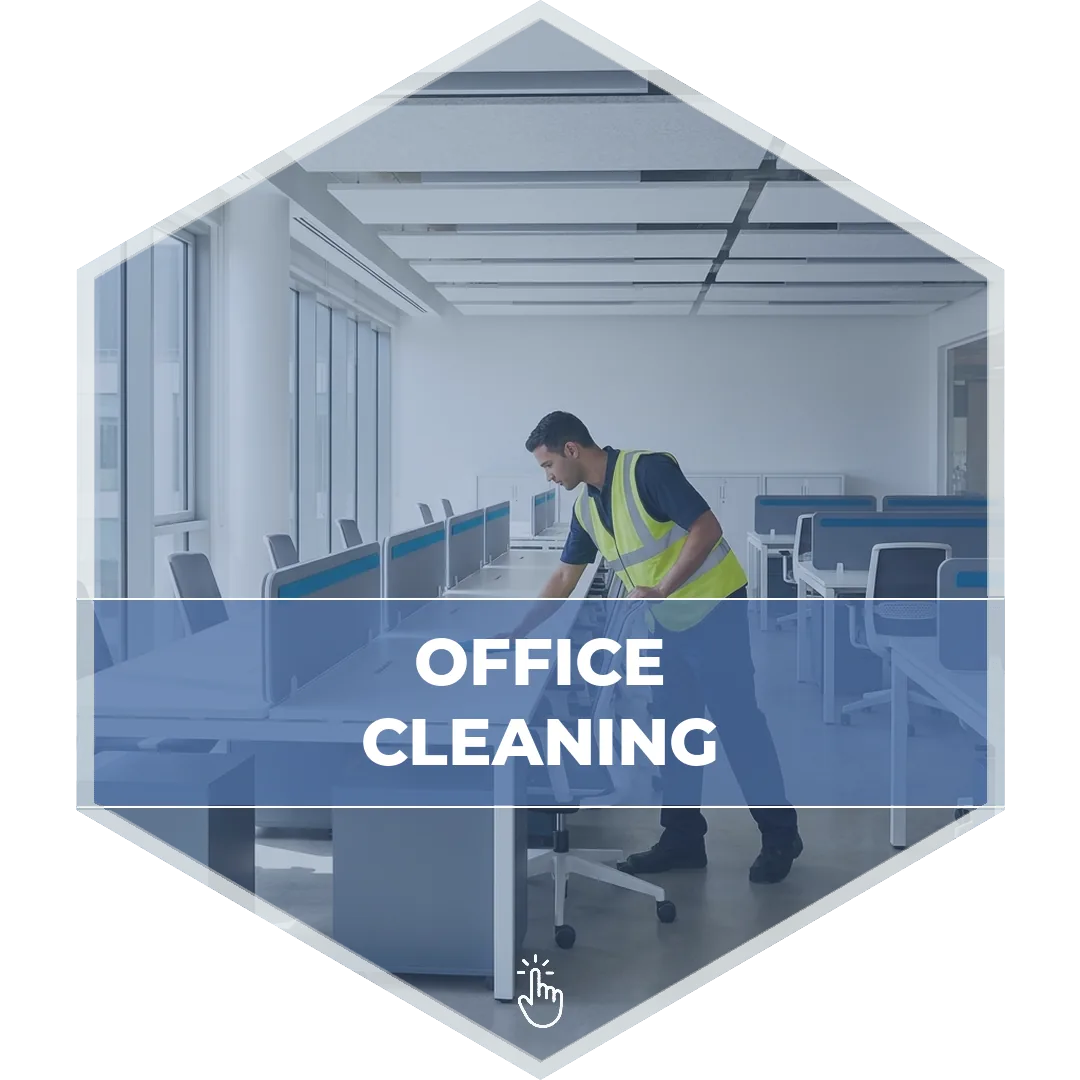
Nightly cleaning for office suites and shared floors
See the Office Cleaning page ›One quote can cover a clinic in Hartford and an office in Worcester, each with its own touchpoint list and schedule. Crews route from our Marlborough headquarters. The locations page lists every town we serve.
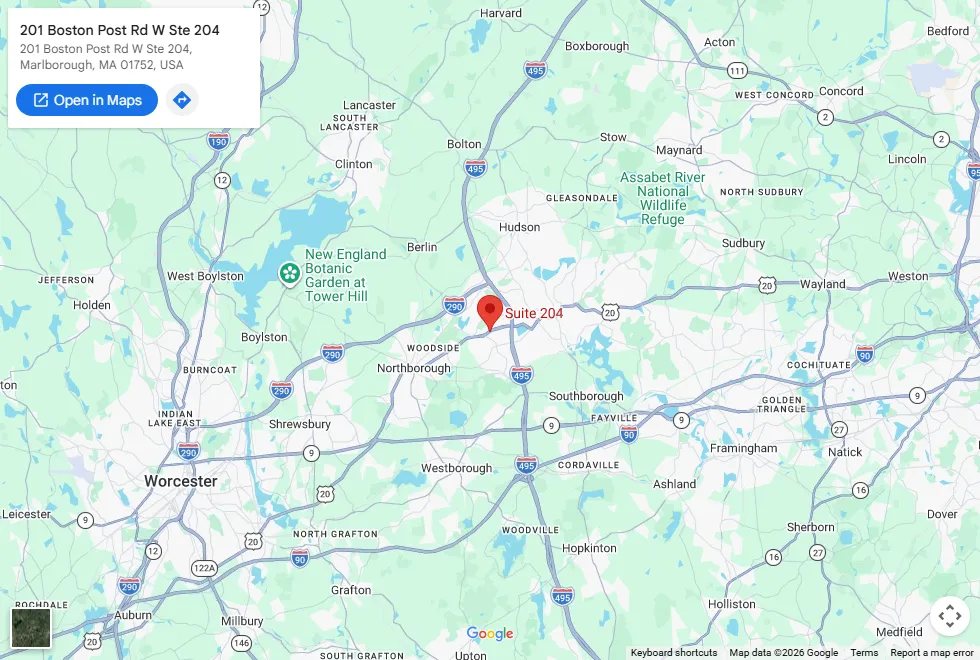
The Massachusetts routes run west from Newton and Waltham, the eastern edge of the service area, through MetroWest and Worcester County to Springfield.
Hartford anchors the Connecticut routes, the fastest-growing part of the service area. Clinics, schools, and offices in West Hartford, New Haven, Stamford, and Waterbury are served as routes allow.
Rhode Island facilities in Providence, Cranston, Pawtucket, East Providence, Woonsocket, and Smithfield are scheduled as routes allow.
Schedule a Walkthrough
A free touchpoint walkthrough, a written list by area, and no long-term contract.
Meet the people behind Modular: Luiz Thomaz DaCosta, Owner and CEO, and Daniel DaCosta, Vice President of Operations.