Commercial cleaning and facility maintenance for Massachusetts, Connecticut, and Rhode IslandPhone answered 24/7 · modular@cleanwith.us
Restaurant hood cleaning removes the grease that builds up inside a kitchen exhaust system. That means the hood and its filters, the ductwork, and the fan on the roof. Modular Concepts is licensed for commercial kitchen hood cleaning. Crews serve restaurants and every other kind of commercial kitchen across Massachusetts, Connecticut, and Rhode Island. The fire code has the fan locked out during the work, so the cleaning must fall when the kitchen is not cooking. Service is month to month, with no annual contract.
 ISSA MemberBSC Council
 BSCAI Verified MemberBuilding Service Contractors Assn.
 Marlborough Regional Chamberof Commerce, member
 ChamberofCommerce.comVerified Member
Restaurant hood cleaning includes every surface that greasy air touches on its way out of the building. That is the hood canopy, the filters, the plenum behind them, the ductwork, and the exhaust fan. Fire codes built on NFPA 96, the national standard for commercial kitchen exhaust, call for those parts to be cleaned to bare metal.
A wipe of the stainless canopy is not a hood cleaning. Much of the grease collects where nobody looks: behind the filters, inside the duct, and in the fan housing on the roof. A U.S. Fire Administration report studied restaurant building fires from 2007 to 2009. Failure to clean was a factor in 12 percent of the larger, nonconfined fires. Duct access panels are how a cleaner reaches that grease. NFPA 96 also has the cleaner give the owner a written report of any area it could not reach or did not clean.
Modular cleans the exhaust system only, so a restaurant keeps its own arrangements for the dining room, restrooms, and kitchen floors. A school, office, or church can add nightly cleaning for the rest of the building to the same quote.

| Part of the system | What NFPA 96 asks for | In the written report |
|---|---|---|
| Hood canopy and filters | Grease removed from the canopy, plenum, and filters, down to bare metal | Any part of the hood that was not cleaned |
| Ductwork | Every reachable section cleaned through the access panels | Duct sections no access panel could reach |
| Exhaust fan | Fan and housing cleaned with the switches locked out | Parts of the fan or its housing left uncleaned |
| Paperwork | A certificate on site naming the company, the cleaner, and the date | Every area that was inaccessible or not cleaned |
Schedule restaurant hood cleaning on the NFPA 96 inspection cycle for your cooking volume: monthly, quarterly, twice a year, or once a year. Wood or charcoal cooking goes monthly, and high-volume kitchens quarterly. Moderate-volume kitchens go twice a year, and low-volume kitchens once a year. NFPA 96 calls for a cleaning whenever an inspection finds grease buildup, so most kitchens book cleanings on that same cycle.
High volume means 24-hour cooking, charbroiling, or wok cooking. Low volume means kitchens such as churches, day camps, seasonal businesses, and senior centers. Kitchens between those two sit in the moderate group. The walkthrough places yours by its fuel, its equipment, and its hours. Our hood cleaning frequency guide covers each group in more detail.
A fire marshal or an insurer can ask for the date of the last cleaning at any time. NFPA 96 has the cleaning company leave a certificate on the premises with its name, the cleaner's name, and the date. Keep it where a manager can find it during an inspection.
Between professional cleanings, kitchen staff wash the baffle filters on the schedule the hood maker sets. Clean filters catch more grease before it reaches the duct. A new fryer, a grill, or longer hours can move a kitchen into a busier group, and the schedule changes with it.

| Cooking volume | Inspection and typical cleaning cycleOne bar: about once a year. Five: every visit. | Typical kitchens |
|---|---|---|
| Solid fuel | Monthly | Wood-fired ovens, charcoal grills, and smokers |
| High volume | Quarterly | 24-hour cooking, charbroiling, and wok cooking |
| Moderate volume | Twice a year | Kitchens between the high and low groups |
| Low volume | Once a year | Churches, day camps, seasonal businesses, and senior centers |
| Fire suppression system | Every six months | Serviced by your fire protection company, not the hood cleaner |
Kitchens choose Modular Concepts for restaurant hood cleaning because their cooking volume sets the schedule and service runs month to month. Modular is a family-owned company operating since 2008, and its team numbers about 100 professionals.
Modular takes restaurant hood work as well as cafeterias and institutional kitchens. Crews clean the whole exhaust system, from the hood to the fan on the roof.
Service runs month to month. NFPA 96 and your menu set the frequency, so a new fryer or longer hours can change it. There is no annual agreement to renew or unwind.
Modular customers stay about eight years on average, because of the quality of the service, not a contract. Hood customers get the same month-to-month terms as every other account.
Each crew member on site is background-checked and fully insured. Modular carries $2,000,000 in general liability with Northeast Insurance and workers' compensation with Travelers. Ask each vendor for a certificate of insurance when you compare quotes.
NFPA 96 asks the cleaning company for two papers. One is a certificate kept on site with the company, the cleaner, and the date. The other is a written report of any area not cleaned. Ask any hood cleaning service for a sample of both.
Seven Google reviews on the reviews page say the owner, Luiz Thomaz DaCosta, stops by to check the work. One customer below writes that he asks whether anything could be done better.
Restaurants get the hood and exhaust system only. In a school, cafeteria, church hall, or office building, four services often go with the hood work. They are hard floor care, nightly janitorial service, strip and wax, and pressure washing. Modular prices each as its own line, and each has its own service page.
Grease and spills travel from the serving line onto cafeteria floors. Modular scrubs and burnishes VCT, vinyl, and tile on a rotation. That work belongs to a floor care program covering 750,000+ square feet a year, including carpet cleaning. The work covers hard surfaces only; wood refinishing and concrete polishing are not offered.

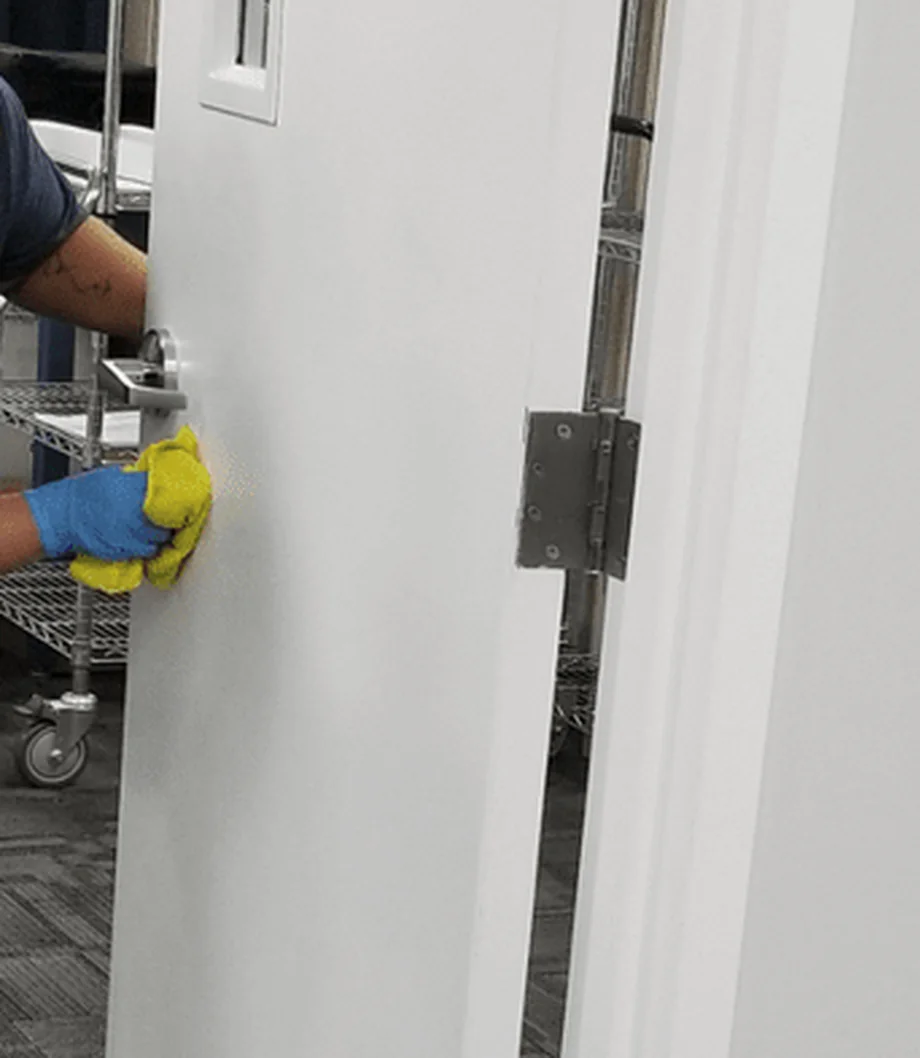
In a school, office, or church, the hood is one line of a larger program. Janitorial crews handle cafeteria tables, trash, restrooms, and high-touch points such as door handles on a nightly schedule. The kitchen line itself stays with your food service staff.
A cafeteria floor wears fastest along the serving line and the trash station. Strip and wax removes the old finish and lays down new coats. Schools often book it for a break, and a break suits a hood cleaning too, so both jobs can share one closure.
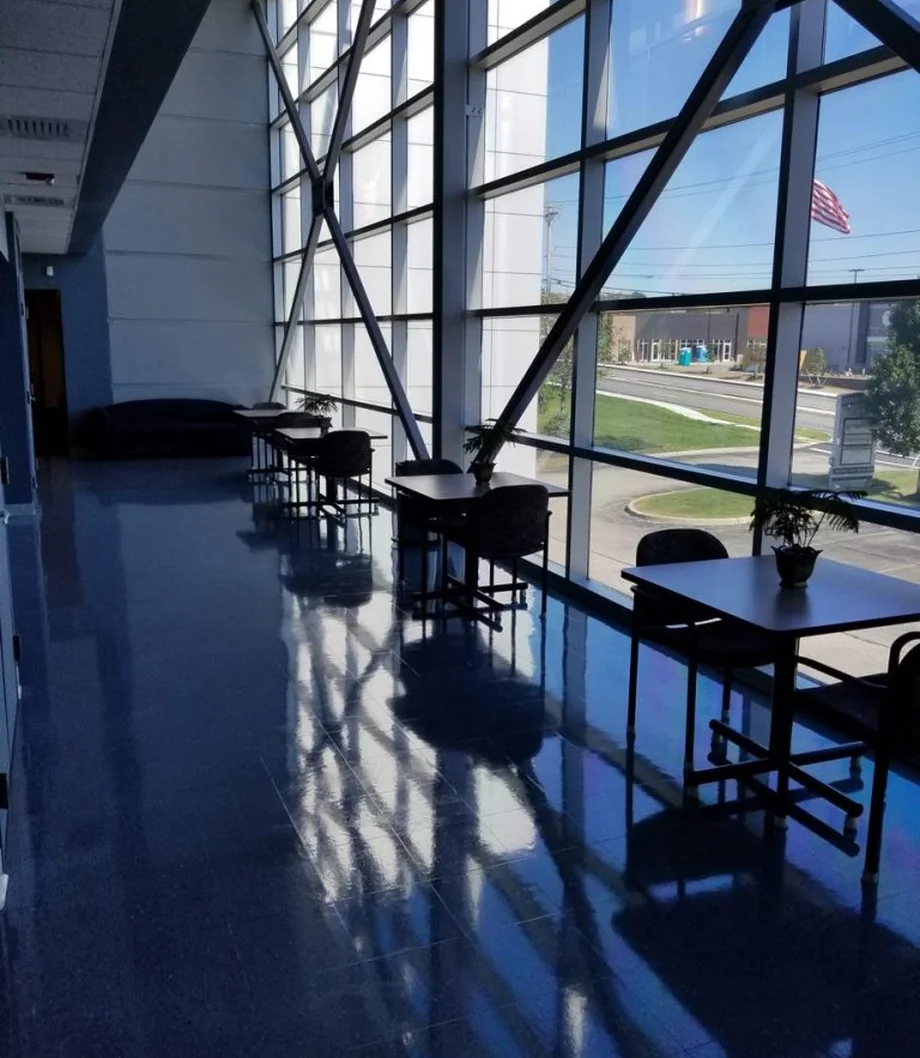
Grease from a busy kitchen also builds up outside it, on dumpster pads, loading areas, and the walks by a service entrance. Modular pressure washes those surfaces as a separate line, timed with the hood work or on a schedule of its own.

A hood cleaning with Modular starts with a free walkthrough of the exhaust system, from the cook line to the fan on the roof. Because the fan is locked out while the crew works, the date has to fall when the line is not cooking. NFPA 96 sets the steps on site, and your NFPA 96 group sets the next date.
The free walkthrough follows the duct from each hood to its fan. Fuel, equipment, and hours place the kitchen in its NFPA 96 group.
The line cannot cook while the fan is locked out, and the equipment should be off and cool. Common windows are after the last order, a closed day, or a school break.
NFPA 96 calls for switches that could start the fan to be locked out first. It also keeps cleaning chemicals off the fusible links of the fire suppression system.
Fire codes built on NFPA 96 call for the hood, filters, duct, and fan to be cleaned down to bare metal. The code bars flammable solvents and any coating on the clean metal.
Access panels and switches go back to normal. NFPA 96 then calls for a dated certificate on site and a written report of any area not cleaned.
Restaurant hood cleaning is priced per cleaning after a walkthrough, because no two exhaust systems are the same size. The size of the system moves the price most: how many hoods, how many feet of duct, and how many fans. Access, grease load, and frequency come next. Modular puts each part of the system on its own line of the quote.
A hood quote rests on what is there to clean: hoods, filters, duct access panels, and the route to the fan. The free walkthrough looks at each before a price is set.
System size moves the price most. A single hood over one fryer line is a short job. Several hoods feeding a long duct run up several floors take a crew far longer.
Frequency sets the yearly total more than any single visit does. Cleanings follow the inspection cycle, so a quarterly kitchen books four a year and a low-volume church hall books one.
NFPA 96 sets the same scope for every cleaning, hood to fan. A roof hatch, a duct with few access panels, or heavy buildup adds time. The written report lists any area that could not be reached.
Each hood, duct run, and fan is a line on the quote, with the frequency beside it. Pressure washing or floor work sits on its own line.
Steps advance on their own. Tap a hex to hold it.
When you compare commercial hood cleaning quotes, ask each vendor to list the hoods, the duct, and the fans separately. A quote that leaves out the duct or the fan covers less of the system, which often makes it look lower.
Every commercial kitchen that cooks with grease under a hood needs regular hood cleaning. Modular's hood service covers restaurants, school and hospital kitchens, corporate cafeterias, senior living, and country clubs. Any other kitchen under a commercial hood fits too, such as a church hall or an arena concession stand. Pick a kitchen type to see the scope. No review here is about a hood job, so two panels show other Modular work at that kind of building.
Hood, filters, duct, and fan only, set for a time the line is not cooking. Modular does not clean the dining room, the restrooms, or the kitchen floors at a restaurant. If the building around the restaurant needs cleaning, the landlord's common areas go on a separate building program.
Commercial building cleaningA break or a closed weekend suits a school hood cleaning, so the kitchen staff come back to a clean system. Food prep and the kitchen line stay with the food service team, and the cafeteria can go on a nightly janitorial program.
A hospital kitchen that serves three meals a day, every day, may fall in a busier NFPA 96 group. The cleaning has to fit the quietest kitchen hours, and the work stays in the kitchen and on the roof.
Healthcare facility cleaningA corporate cafeteria or plant dining room can put the hood on the same quote as the building's nightly cleaning. The hood visit can follow the last meal service, and the dining room stays on the regular program.
Office building cleaningChurch and fellowship hall kitchens often fall in the NFPA 96 low-volume group, with a yearly inspection. Booking around services and hall rentals keeps the kitchen ready for the next supper or event.
A concession stand fryer runs hard on game nights and sits idle between seasons. The hood can be cleaned while the stand is closed, and the rest of the arena can stay on its own cleaning program.
Sports complex cleaningNot in scope: restaurant dining rooms, restrooms, and kitchen floors, homes, and retail storefronts. The rest of a school, office, or church building is covered by commercial cleaning.
None of these six Google reviews is about a hood job. They come from other Modular customers, including a church with a kitchen and a school. They speak to what kitchen customers ask about: health inspections, accurate estimates, schedules, and trained crews. Each is quoted as written. Every review is on the Modular Concepts Google profile.
“The staff also follow through on all the assigned cleaning tasks, which has been great for staff who had to do extra work to make up for our previous cleaners to meet health inspection requirements. And most importantly, the business is led by Luiz Thomas, a man with integrity, character, compassion, and a solid work ethic.”
“Luiz and his team did an excellent job filling in for our sexton while we searched for a replacement. The team was neat, efficient, timely, knowledgeable and easy to work with. This is a church building with a sanctuary and associated classrooms, offices, kitchen, rest rooms, and a fellowship hall.”
“Our school hired Modular Concepts to complete a strip and wax of our floors and we couldn't be happier with the service we received! Our building is a shared space and they worked with our crazy schedule to accommodate us all while making our floors look beautiful! Highly recommend working with Luiz and his team!”
“They were quite professional, and gave me a very accurate and detailed estimate. The cleaning was completed right on schedule, and was of outstanding quality. This is a company that truly takes pride in its work. The cost was right on budget and matched the estimate to the dollar. I highly recommend this company for all commercial cleaning needs.”
“Luiz and his cleaning team consistently meet our high standards for cleanliness every day. It is very evident that the cleaners are extremely well trained and held to a very high standard. The owner, Luiz, is in our facility every week checking on the work product of his crew and asking if there is anything else that could be done better. Extremely professional!”
“As a customer with unique specifications and needs, we were looking for specific things that other cleaners were not able to offer us. Luiz has been able to accommodate a routine per our specifications and we are very appreciative of that.”
Answers for restaurant owners, kitchen managers, and facility teams comparing hood cleaning companies. For the rest of a school, office, or church building, see janitorial services.
A restaurant hood cleaning covers the whole exhaust system. That is the hood canopy, the filters, the plenum behind them, the ductwork, and the exhaust fan on the roof. Fire codes built on NFPA 96 call for each part to be cleaned to bare metal. The code also asks for a dated certificate kept on site and a written report that lists any area the cleaner could not reach.
Clean a commercial kitchen hood on its NFPA 96 inspection cycle: monthly, quarterly, twice a year, or once a year, by cooking volume. Wood or charcoal cooking goes monthly, and high-volume kitchens such as 24-hour, charbroiling, or wok operations go quarterly. Moderate-volume kitchens go twice a year. Low-volume kitchens such as churches, day camps, and senior centers go once a year. The code calls for a cleaning whenever an inspection finds grease buildup. The walkthrough places your kitchen in its group.
Restaurant hood cleaning is priced per cleaning after a free walkthrough. The size of the exhaust system moves the price most: how many hoods, how many feet of duct, and how many fans. Roof access and grease load come next. Frequency then sets the yearly total. Cleanings follow the NFPA 96 inspection cycle, so a quarterly kitchen books four a year and a low-volume kitchen books one. Ask every vendor to list the hoods, duct, and fans it will clean.
Yes. NFPA 96 calls for cleaning by trained, qualified, and certified people acceptable to the local fire authority. In Massachusetts, anyone who cleans and inspects commercial kitchen hoods must hold a certificate of competency from the State Fire Marshal. Since January 2018, each hood cleaning company there also needs a certificate of registration from the same office. In other states, the local fire marshal can tell you what it accepts. Modular Concepts is licensed for commercial kitchen hood cleaning.
Kitchen staff can and should wash the baffle filters between professional cleanings, on the schedule the hood maker sets. The rest of the system is a different job. The duct and the rooftop fan need ladders, access panels, and degreaser. The fire code also expects a certified cleaner and a dated certificate kept on site.
Both. Modular is licensed for restaurant hood cleaning and takes restaurant work. The service also covers school and hospital kitchens, corporate cafeterias, senior living, and country clubs, plus any other kitchen under a commercial hood. At a restaurant, the work is the hood and exhaust system only. Modular does not clean the dining room, the restrooms, or the kitchen floors there. In other facilities, the rest of the building can go on a cleaning program.
It should not, as long as the cleaning is set for a time the kitchen is not cooking. That can be after the last order, on a closed day, or during a school break. The fire code keeps the fan locked out during the work, so the line cannot cook until the work is done. Let the equipment cool before the crew starts. When the cleaning ends, the access panels and switches go back to normal, so the system is ready for the next shift.
Yes. Modular serves commercial kitchens across Massachusetts, Connecticut, and Rhode Island from its Marlborough headquarters. Massachusetts kitchens are served from Newton and Waltham westward. Hartford anchors the Connecticut side, and Providence the Rhode Island side. A restaurant group or a school district can put several kitchens on one quote, each kitchen on its own line with its own frequency.
Kitchen exhaust cleaning covers the system above the cook line. These services cover the rooms around it in schools, offices, and halls.
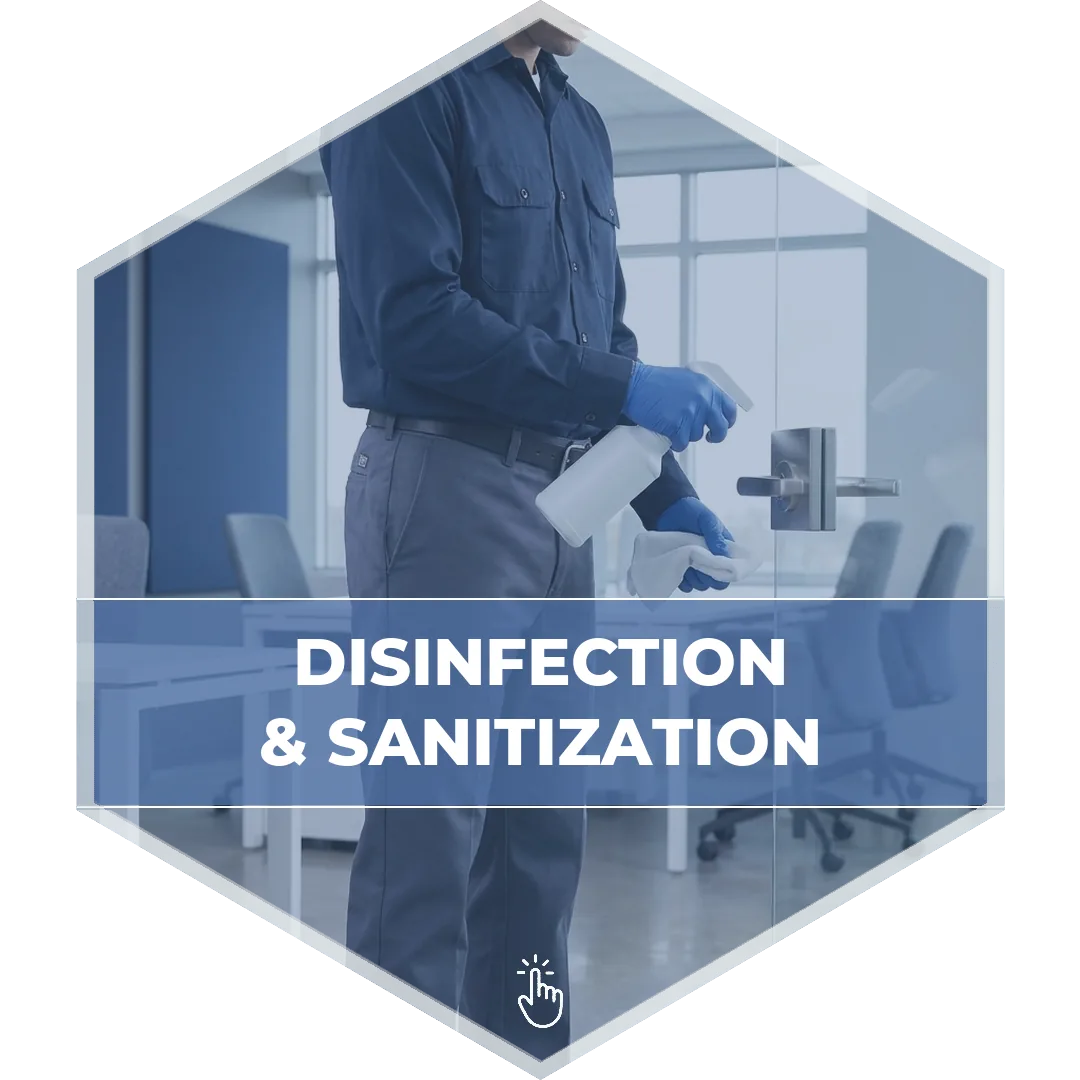
High-touch points in cafeterias and break rooms
See the Disinfection Services page ›
Restroom and lobby tile with the grout scrubbed clean
See the Tile and Grout Cleaning page ›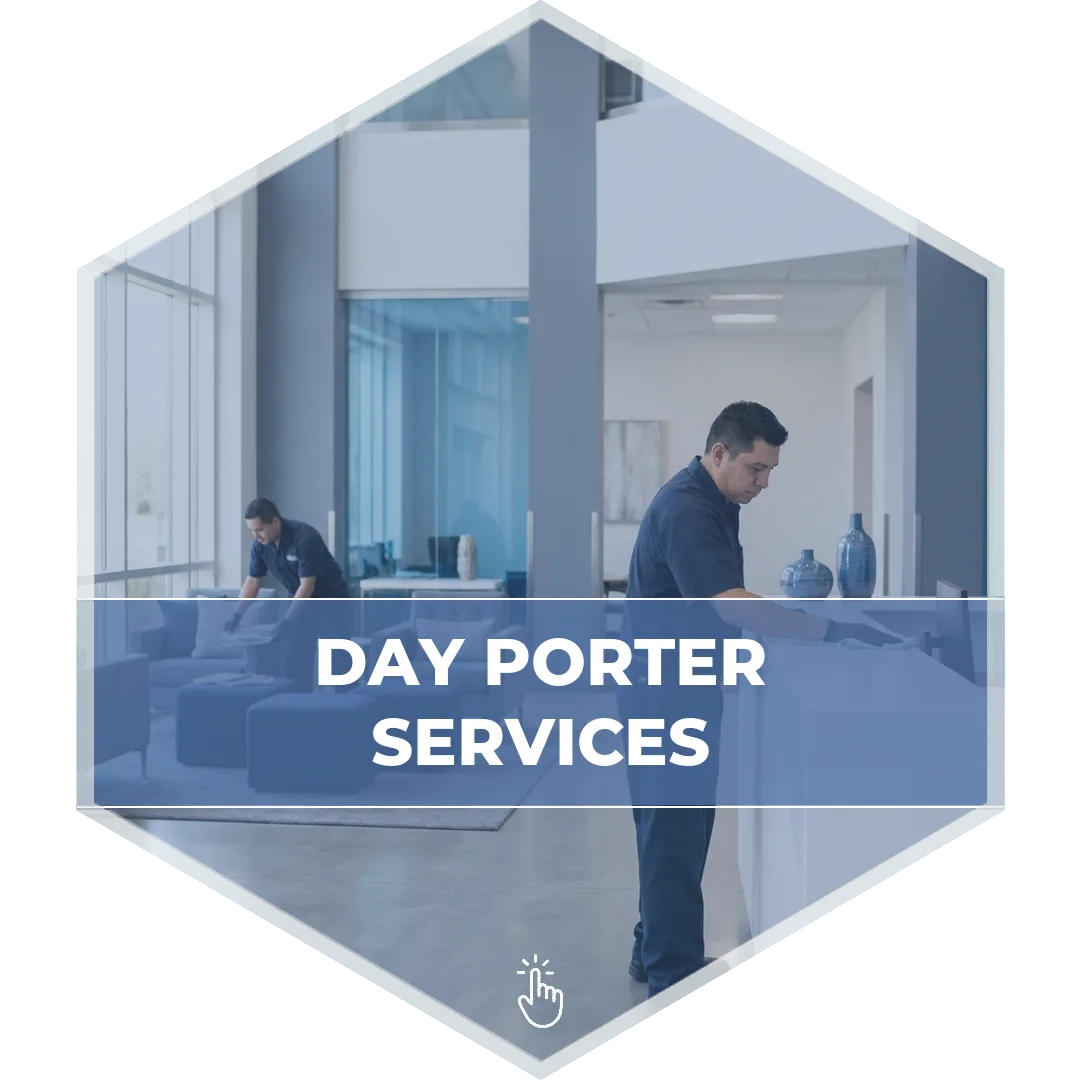
Midday resets for busy cafeterias and lobbies
See the Day Porter Services page ›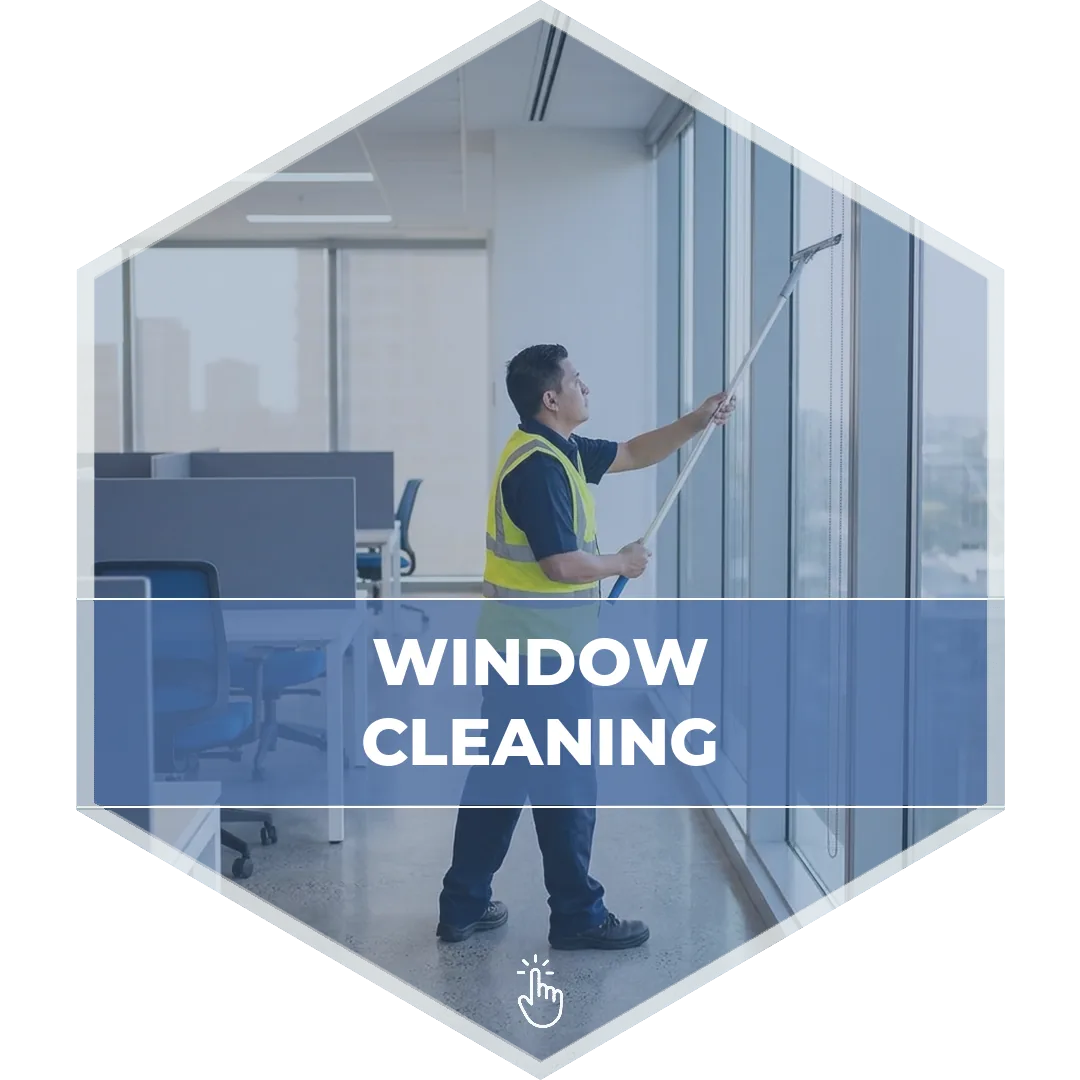
Cafeteria and lobby glass on a schedule
See the Window Cleaning page ›Modular cleans hood systems for kitchens in all three states from its Marlborough headquarters. Each kitchen gets its own frequency and its own line on the quote. Every town we serve is on the locations page.
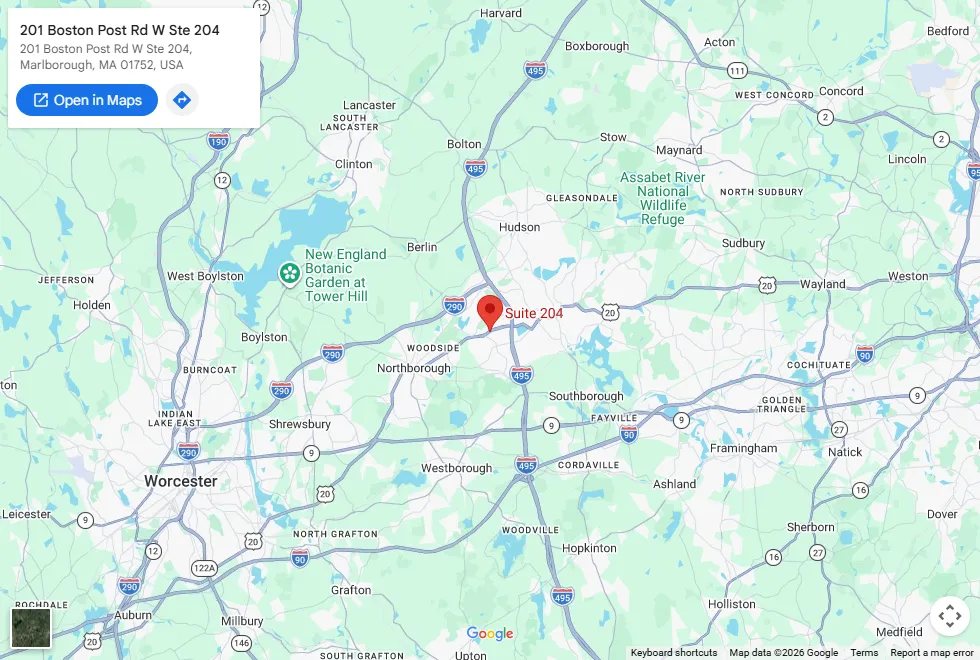
Kitchens across MetroWest and Worcester County sit close to the Marlborough office, from Framingham to Leominster. Newton and Waltham mark the eastern edge of the service area.
Hartford anchors the Connecticut service area, with kitchens in New Haven, Stamford, and Waterbury scheduled as routes allow.
Providence and nearby cities, including Cranston, Pawtucket, and Woonsocket, scheduled as routes allow.
Schedule a Walkthrough
A free walkthrough of your exhaust system, a quote by hood, duct, and fan, and no annual contract.
Meet the people behind Modular: Luiz Thomaz DaCosta, Owner and CEO, and Daniel DaCosta, Vice President of Operations.